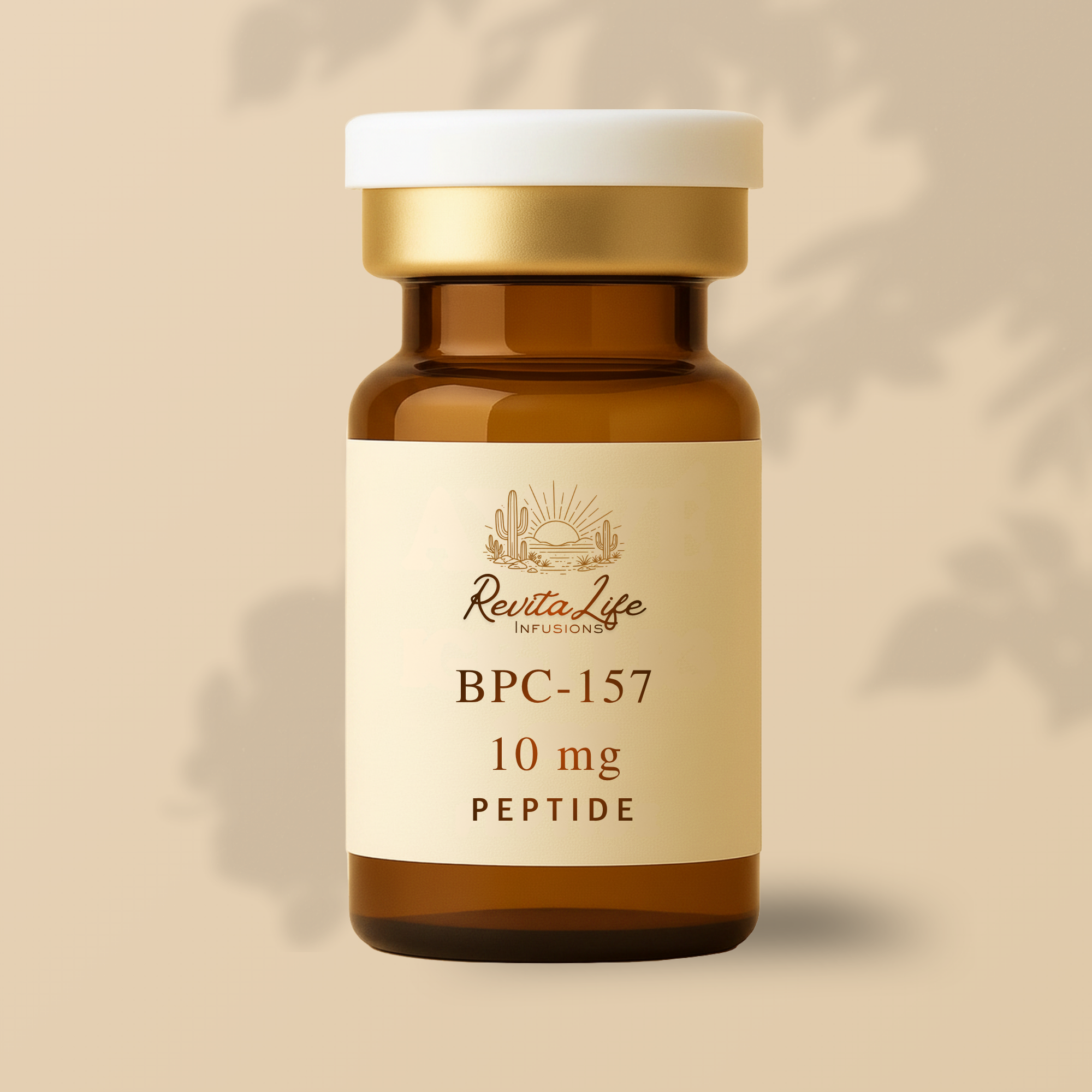
BCP-157

£28.00

BPC-157 | For Research Use Only

Product Summary:
What is BPC-157 Peptide?

BPC-157, also known as Body Protection Compound-157, is a synthetic peptide derived from a protein found in human gastric juice. It is known for its regenerative properties and potential therapeutic effects on various tissues and organs.

BPC-157 has been extensively studied for its ability to promote tissue healing, reduce inflammation, improve blood flow and gut health.

This peptide is commonly used in UK research settings and has gained attention for its potential to accelerate muscle and tendon healing, protect the gastrointestinal tract, which makes it of interest in sports medicine and anti-aging research.

Molecular Formula: C62H98N16O22

Amino Acids Sequence: H-Gly-Glu-Pro-Pro-Pro-Gly-Lys-Pro-Ala-Asp-Asp-Ala-Gly-Leu-Val-OH

Molecular Weight: 1419.5 g/mol

View the HPLC Certificate here.

Source:

Summary of BPC-157 Benefits:

    •    Research has demonstrated that BPC-157 peptide can have the following potential benefits:

Clinical research has found that BPC-157 promotes tissue healing and regeneration

Peptide BPC-157 reduces inflammation in various tissues

Body Protection Compound 157 has demonstrated it's ability to improve blood flow and circulation

Provides gastrointestinal tract healing and protection

Rat stuides have proven BPC-157 to have powerful antioxidant functions

Research has established that BPC-157 peptide can reduce the risk of serious side effects from drug adverse reactions.

RevitaLife supplies high purity peptides which undergo strict quality control to ensure they are suitable for laboratory research purposes.

BPC-157 Mechanism of Action

UK Clinical studies have found that when administered, BPC-157 interacts with different biological pathways becoming a regenerative medicine to promote healing and recovery in various tissues and organs.

One key mechanism of BPC-157 is its ability to stimulate the formation of new blood vessels, a process known as angiogenesis. By enhancing blood vessel growth, the BPC-157 peptide has been shown to improve blood flow to damaged or inflamed areas, facilitating the delivery of oxygen and nutrients essential for tissue repair (1).

Moreover, BPC-157 has been shown to modulate inflammatory responses by reducing the levels of pro-inflammatory molecules and promoting the release of anti-inflammatory cytokines. This anti-inflammatory action helps alleviate tissue damage and supports the healing process.

Additionally, BPC-157 exhibits antioxidant properties, which can protect cells from oxidative stress and free radical damage, further aiding in tissue regeneration. It may also stimulate the expression of growth factors that play a role in tissue repair and regeneration.

Overall, UK scientists believe that BPC-157 works through a combination of angiogenic, anti-inflammatory, and antioxidant mechanisms to promote healing, reduce inflammation, and support overall tissue health and well-being.

Potential Clinical Applications of BPC-157 Peptide

BPC-157, is a synthetic peptide derived from a protein in the gastric juice of humans. With further UK clinical research, scientists hope it could hold potential therapeutic benefits and eventually be approved for human consumption for the following applications:

Healing Wounds

The natural purpose of BPC in the GI tract is to protect the mucosal barrier from damaging effects of stomach acid, bile, and other substances essential for digestion and nutrient absorption. This function is mediated by fibroblast activation. BPC 157 increases the proliferation and migration of fibroblasts in vitro and in vivo. In wound healing, fibroblasts play a significant role because they are the cells that make extracellular matrix proteins such as collagen and fibrin (1). In addition, they also make elastin and other proteins. Furthermore, the BPC-157 research chemical has also proved useful when treating skin burns helping reduce scarring (2).

Tendon Repair

It’s no surprise that BPC-157 has shown promise in treating ligament, tendon, bone, and other connective tissue injuries in animal models. Tendon fibroblasts and ligament injuries heal slowly due to insufficient blood flow. Poor blood flow hinders the arrival of fibroblasts and other wound-healing cells, limiting the overall level of repair. In rat tendons, BPC-157 enhances collateralization and increases fibroblast density in vitro and in vivo studies. Additionally BPC157 appears to be more effective than EFG, bFGF, and VGF hormones in encouraging tissue repair and overall joint health (3).

Collateralization and Vascular Growth

BPC 157 is an effective angiogenic factor, enhancing the rate of endothelial cell proliferation and growth. UK Animal studies showed the peptide accelerates collateral blood vessel development in ischemia. BPC-157 may be employed as both a therapeutic peptide for stroke and heart attack and a probative peptide for learning how to enhance recovery after ischemic injury.

Studies in chicken embryos suggest that BPC 157 stimulates vascular development by activating VEGFR2, a cell surface receptor involved in nitric oxide signalling. VEGFR2 may be involved in endothelial cell development, proliferation, and lifespan (5).

Antioxidant Functions

BPC-157 has been demonstrated to reduce nitric oxide and malondialdehyde (MDA) levels in rat studies. According to studies, a potent antioxidant, BPC-157, has been shown to inhibit reactive oxygen species generation in the gastrointestinal system. BPC-157 levels in cells cultured with modified Lactococcus lactis bacteria grow substantially.

Drug Reactions

BPC-157 has been shown to reduce the adverse effects of NSAIDs, psychiatric drugs, and several cardiac treatments. BPC-157 also protects the brain, heart, and other tissues from side effects. For example, studies on rats reveal that BPC-157 can protect against QTc prolongation, which can cause significant and even fatal arrhythmias. Pharmaceuticals used to treat diabetes, schizophrenia, and other psychiatric diseases cause QTc prolongation. Similarly, BPC157 has been demonstrated to reduce psychiatric medication side effects such as catalepsy and sensorimotor disturbance (6).

Gastrointestinal Protection

BPC-157 has shown promise in protecting the gastrointestinal tract due to its ability to promote healing and mitigate damage within the digestive system. This synthetic peptide exhibits gastroprotective properties by enhancing the repair of mucosal tissues, reducing inflammation, and regulating the secretion of gastric acid. By stimulating the production of new blood vessels and supporting tissue regeneration, BPC-157 can help heal gastric ulcers, counteract damage from inflammatory bowel diseases, and maintain the integrity of the gastrointestinal lining including mitigating leaky gut (4). These actions contribute to the overall health of the digestive tract, with more research, making BPC-157 a potential therapeutic option for gastrointestinal conditions.

Is BPC-157 useful for healing bone fractures?

By stimulating the formation of new blood vessels (angiogenesis), promoting collagen production, and enhancing the growth of various cell types involved in bone repair, BPC-157 may support the overall healing process of bone fractures. Additionally, its anti-inflammatory properties and ability to reduce oxidative stress could help  bone healing.

BPC-157 FAQ's

Is BPC-157 Safe?

BPC-157 has shown a generally favourable safety profile in clinical trial and anecdotal reports, with limited adverse effects reported when used at appropriate dosages. It is considered well-tolerated by many individuals, especially when administered under medical supervision by a healthcare provider. However, it is yet to be approved by the FDA or the drug administration agency as a dietary supplement for human consumption.

Does BPC-157 help with nerve damage?

BPC-157 has shown promising potential in aiding nerve damage recovery due to its regenerative properties and ability to promote healing processes. While research on BPC-157’s specific effects on nerve damage is ongoing, some UK studies suggest that this peptide may support nerve regeneration, reduce inflammation, and improve overall tissue repair, which could be beneficial for individuals with nerve injuries or damage.

Does BPC-157 help with chronic inflammation?

BPC-157 is known for its anti-inflammatory properties and has been studied for its potential to reduce inflammation in various tissues throughout the body. By modulating the immune response and inhibiting inflammatory processes, BPC-157 may help alleviate inflammation associated with injuries, digestive disorders, and other inflammatory conditions.

Peptide Storage & Reconstitution

The Peptide Vial holds a white, lyophilised solid peptide that dissolves easily in clinical-grade sterile or bacteriostatic water.

To preserve the quality and stability of peptides, store them in a cool, dry place, away from heat and direct sunlight.

Refrigeration is highly recommended, with optimal storage temperatures between 2°C and 8°C.

Keeping peptides in tightly sealed vials or containers prevents exposure to air and moisture, which can compromise their quality.

Following these storage guidelines helps extend the shelf life of peptides, ensuring their reliability for research and therapeutic use.

ALL PRODUCT INFORMATION AND ARTICLES ON THIS SITE ARE FOR EDUCATIONAL PURPOSES ONLY

DISCLAIMER:

All products sold by Revitalife are for research and laboratory use only.

These products are not designed for use or consumption by humans or animals.

They are not to be classified as a drug, food, cosmetic, or medicinal product and must not be mislabelled or used as such.

By purchasing from our Website the buyer accepts and acknowledges the risks involved with handling of these products.

All articles and product information provided on this Website are for informational and educational purposes only. Handling and use of these products should be restricted to suitably qualified professionals.

BPC-157 | For Research Use Only

Product Summary:
What is BPC-157 Peptide?

BPC-157, also known as Body Protection Compound-157, is a synthetic peptide derived from a protein found in human gastric juice. It is known for its regenerative properties and potential therapeutic effects on various tissues and organs.

BPC-157 has been extensively studied for its ability to promote tissue healing, reduce inflammation, improve blood flow and gut health.

This peptide is commonly used in UK research settings and has gained attention for its potential to accelerate muscle and tendon healing, protect the gastrointestinal tract, which makes it of interest in sports medicine and anti-aging research.

Molecular Formula: C62H98N16O22

Amino Acids Sequence: H-Gly-Glu-Pro-Pro-Pro-Gly-Lys-Pro-Ala-Asp-Asp-Ala-Gly-Leu-Val-OH

Molecular Weight: 1419.5 g/mol

View the HPLC Certificate here.

Source:

Summary of BPC-157 Benefits:

    •    Research has demonstrated that BPC-157 peptide can have the following potential benefits:

Clinical research has found that BPC-157 promotes tissue healing and regeneration

Peptide BPC-157 reduces inflammation in various tissues

Body Protection Compound 157 has demonstrated it's ability to improve blood flow and circulation

Provides gastrointestinal tract healing and protection

Rat stuides have proven BPC-157 to have powerful antioxidant functions

Research has established that BPC-157 peptide can reduce the risk of serious side effects from drug adverse reactions.

RevitaLife supplies high purity peptides which undergo strict quality control to ensure they are suitable for laboratory research purposes.

BPC-157 Mechanism of Action

UK Clinical studies have found that when administered, BPC-157 interacts with different biological pathways becoming a regenerative medicine to promote healing and recovery in various tissues and organs.

One key mechanism of BPC-157 is its ability to stimulate the formation of new blood vessels, a process known as angiogenesis. By enhancing blood vessel growth, the BPC-157 peptide has been shown to improve blood flow to damaged or inflamed areas, facilitating the delivery of oxygen and nutrients essential for tissue repair (1).

Moreover, BPC-157 has been shown to modulate inflammatory responses by reducing the levels of pro-inflammatory molecules and promoting the release of anti-inflammatory cytokines. This anti-inflammatory action helps alleviate tissue damage and supports the healing process.

Additionally, BPC-157 exhibits antioxidant properties, which can protect cells from oxidative stress and free radical damage, further aiding in tissue regeneration. It may also stimulate the expression of growth factors that play a role in tissue repair and regeneration.

Overall, UK scientists believe that BPC-157 works through a combination of angiogenic, anti-inflammatory, and antioxidant mechanisms to promote healing, reduce inflammation, and support overall tissue health and well-being.

Potential Clinical Applications of BPC-157 Peptide

BPC-157, is a synthetic peptide derived from a protein in the gastric juice of humans. With further UK clinical research, scientists hope it could hold potential therapeutic benefits and eventually be approved for human consumption for the following applications:

Healing Wounds

The natural purpose of BPC in the GI tract is to protect the mucosal barrier from damaging effects of stomach acid, bile, and other substances essential for digestion and nutrient absorption. This function is mediated by fibroblast activation. BPC 157 increases the proliferation and migration of fibroblasts in vitro and in vivo. In wound healing, fibroblasts play a significant role because they are the cells that make extracellular matrix proteins such as collagen and fibrin (1). In addition, they also make elastin and other proteins. Furthermore, the BPC-157 research chemical has also proved useful when treating skin burns helping reduce scarring (2).

Tendon Repair

It’s no surprise that BPC-157 has shown promise in treating ligament, tendon, bone, and other connective tissue injuries in animal models. Tendon fibroblasts and ligament injuries heal slowly due to insufficient blood flow. Poor blood flow hinders the arrival of fibroblasts and other wound-healing cells, limiting the overall level of repair. In rat tendons, BPC-157 enhances collateralization and increases fibroblast density in vitro and in vivo studies. Additionally BPC157 appears to be more effective than EFG, bFGF, and VGF hormones in encouraging tissue repair and overall joint health (3).

Collateralization and Vascular Growth

BPC 157 is an effective angiogenic factor, enhancing the rate of endothelial cell proliferation and growth. UK Animal studies showed the peptide accelerates collateral blood vessel development in ischemia. BPC-157 may be employed as both a therapeutic peptide for stroke and heart attack and a probative peptide for learning how to enhance recovery after ischemic injury.

Studies in chicken embryos suggest that BPC 157 stimulates vascular development by activating VEGFR2, a cell surface receptor involved in nitric oxide signalling. VEGFR2 may be involved in endothelial cell development, proliferation, and lifespan (5).

Antioxidant Functions

BPC-157 has been demonstrated to reduce nitric oxide and malondialdehyde (MDA) levels in rat studies. According to studies, a potent antioxidant, BPC-157, has been shown to inhibit reactive oxygen species generation in the gastrointestinal system. BPC-157 levels in cells cultured with modified Lactococcus lactis bacteria grow substantially.

Drug Reactions

BPC-157 has been shown to reduce the adverse effects of NSAIDs, psychiatric drugs, and several cardiac treatments. BPC-157 also protects the brain, heart, and other tissues from side effects. For example, studies on rats reveal that BPC-157 can protect against QTc prolongation, which can cause significant and even fatal arrhythmias. Pharmaceuticals used to treat diabetes, schizophrenia, and other psychiatric diseases cause QTc prolongation. Similarly, BPC157 has been demonstrated to reduce psychiatric medication side effects such as catalepsy and sensorimotor disturbance (6).

Gastrointestinal Protection

BPC-157 has shown promise in protecting the gastrointestinal tract due to its ability to promote healing and mitigate damage within the digestive system. This synthetic peptide exhibits gastroprotective properties by enhancing the repair of mucosal tissues, reducing inflammation, and regulating the secretion of gastric acid. By stimulating the production of new blood vessels and supporting tissue regeneration, BPC-157 can help heal gastric ulcers, counteract damage from inflammatory bowel diseases, and maintain the integrity of the gastrointestinal lining including mitigating leaky gut (4). These actions contribute to the overall health of the digestive tract, with more research, making BPC-157 a potential therapeutic option for gastrointestinal conditions.

Is BPC-157 useful for healing bone fractures?

By stimulating the formation of new blood vessels (angiogenesis), promoting collagen production, and enhancing the growth of various cell types involved in bone repair, BPC-157 may support the overall healing process of bone fractures. Additionally, its anti-inflammatory properties and ability to reduce oxidative stress could help  bone healing.

BPC-157 FAQ's

Is BPC-157 Safe?

BPC-157 has shown a generally favourable safety profile in clinical trial and anecdotal reports, with limited adverse effects reported when used at appropriate dosages. It is considered well-tolerated by many individuals, especially when administered under medical supervision by a healthcare provider. However, it is yet to be approved by the FDA or the drug administration agency as a dietary supplement for human consumption.

Does BPC-157 help with nerve damage?

BPC-157 has shown promising potential in aiding nerve damage recovery due to its regenerative properties and ability to promote healing processes. While research on BPC-157’s specific effects on nerve damage is ongoing, some UK studies suggest that this peptide may support nerve regeneration, reduce inflammation, and improve overall tissue repair, which could be beneficial for individuals with nerve injuries or damage.

Does BPC-157 help with chronic inflammation?

BPC-157 is known for its anti-inflammatory properties and has been studied for its potential to reduce inflammation in various tissues throughout the body. By modulating the immune response and inhibiting inflammatory processes, BPC-157 may help alleviate inflammation associated with injuries, digestive disorders, and other inflammatory conditions.

Peptide Storage & Reconstitution

The Peptide Vial holds a white, lyophilised solid peptide that dissolves easily in clinical-grade sterile or bacteriostatic water.

To preserve the quality and stability of peptides, store them in a cool, dry place, away from heat and direct sunlight.

Refrigeration is highly recommended, with optimal storage temperatures between 2°C and 8°C.

Keeping peptides in tightly sealed vials or containers prevents exposure to air and moisture, which can compromise their quality.

Following these storage guidelines helps extend the shelf life of peptides, ensuring their reliability for research and therapeutic use.

ALL PRODUCT INFORMATION AND ARTICLES ON THIS SITE ARE FOR EDUCATIONAL PURPOSES ONLY

DISCLAIMER:

All products sold by Revitalife are for research and laboratory use only.

These products are not designed for use or consumption by humans or animals.

They are not to be classified as a drug, food, cosmetic, or medicinal product and must not be mislabelled or used as such.

By purchasing from our Website the buyer accepts and acknowledges the risks involved with handling of these products.

All articles and product information provided on this Website are for informational and educational purposes only. Handling and use of these products should be restricted to suitably qualified professionals.